

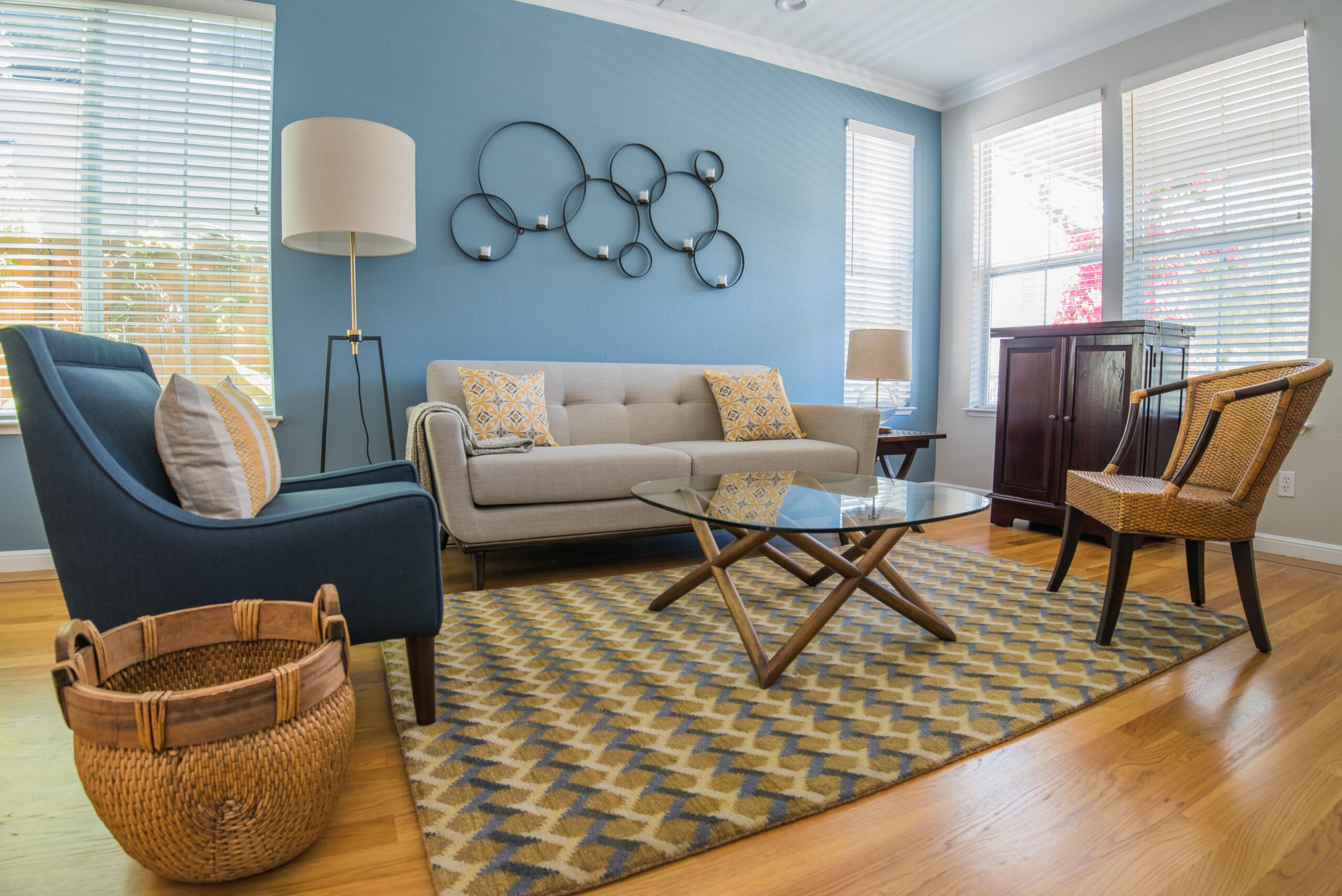
Choosing between sofa styles requires looking beyond the shape and fabric. Frame construction, cushion fill, suspension, upholstery performance, and proportions determine how a sofa feels and ages. A well-chosen sofa should suit the room’s architecture, support the household’s habits, and retain its comfort and appearance through years of use.
A sofa can be the most substantial furniture investment in a living room. It also tends to receive the most physical use. People sit on it, stretch across it, entertain guests around it, and return to it at the end of the day. Yet sofa selection frequently begins with a photograph.
A beautiful silhouette, an appealing fabric, and the right dimensions may be enough to place a piece on a shortlist. None reveals much about the construction beneath the upholstery or the way the cushions will behave after regular use.
For Kanika Design, selecting a sofa involves understanding the piece as an object that must perform well within a particular room. We consider the construction, materials, proportions, and the kind of comfort its occupants prefer. That attention becomes especially important when choosing designer sofas for homes intended to be furnished for the long term.
The outward appearance matters. So does everything that makes the sofa worth keeping.
The frame gives a sofa its structure. It supports the seating and maintains the relationship between the arms, back, and base. Most of it remains concealed beneath upholstery. That makes construction one of the least visible aspects of a purchase, even though it deserves attention.
A sofa with a beautiful profile may have a frame built from solid hardwood, engineered panels, metal, or a combination of materials. Construction methods and material grades vary. The relevant question concerns how the frame is assembled and how it responds to repeated use.
Kiln-dried hardwood is a common material in well-made upholstered furniture. Controlled drying reduces moisture before the wood enters furniture production. The type and quality of wood matter, along with the frame design.
Engineered wood products can also form part of sound furniture construction when selected and used appropriately. Their performance depends on the material specification, thickness, joint design, and intended load.
A statement that a sofa has a hardwood frame provides limited information on its own. We would also want to understand how the frame is joined, reinforced, and supported.
A sofa frame experiences repeated loads as people sit down, stand up, and shift position. Its joints must accommodate those forces.
Well-executed furniture construction may use corner blocks, dowels, mortise-and-tenon joints, or other appropriate methods to create stable connections. Fasteners and adhesives can form part of those assemblies.
No single joint description proves that the complete sofa is durable. The workmanship and overall structural design matter. A manufacturer should be able to provide meaningful information about its frame construction, particularly when the piece represents a significant furnishing investment.
A sofa should also feel stable. Unexplained movement, creaking, or twisting during ordinary use deserves investigation.
Beneath the seat cushions sits the suspension system. It supports the weight placed on the sofa and influences how the seating responds when someone sits down.
Different designs use different systems, including springs and webbing. The choice affects the character of the seat, but the quality of installation is just as important as the system itself.
Eight-way hand-tied suspension is associated with traditional upholstery construction. Individual coil springs are secured and tied to help distribute support across the seat.
A carefully executed system can provide substantial support and has a long history in upholstered furniture. However, the terminology is sometimes used as a broad indicator of luxury.
It should still be considered alongside the construction of the frame, the type of springs, and the quality of the upholstery work.
Sinuous springs use shaped metal wires secured across the seating frame. A well-designed sinuous spring system can provide comfortable, consistent support.
The spring specification, spacing, attachment, and frame construction influence how it performs. A sofa should not be dismissed simply because it uses sinuous springs.
The complete suspension system deserves evaluation.
Webbing is another form of seat support. It can be made from different materials and arranged in ways suited to particular upholstery designs. The quality and tension of the webbing affect the seating experience.
In some contemporary sofas, webbing helps achieve a slimmer construction or a particular seat character. The practical test is how the system feels and whether the manufacturer has designed it for the intended use.
A comfortable sofa should provide support without excessive movement or an uncomfortable sense of bottoming out. Its response will vary according to cushion composition and seat depth.
A firm suspension system beneath soft cushions can feel different from a more yielding base beneath denser foam. The components should be assessed together.
Cushions have a substantial influence on the appearance and comfort of a sofa. Two pieces with similar frames and upholstery can feel entirely different because of their cushion construction.
The fill affects firmness, shape retention, and maintenance. This is where a sofa that looks appealing at installation may become disappointing through daily use.
Polyurethane foam is widely used in upholstered seating. Its performance depends on the particular foam formulation and physical properties.
Density and firmness describe different characteristics. Density concerns the amount of material within a given volume, while firmness describes resistance to compression under specified conditions. A dense foam is not automatically a firm foam.
The manufacturer should be able to explain the construction and intended support of the cushion. Foam may also be combined with fiber or other materials to soften its appearance and feel.
For homeowners who prefer a tailored sofa with cushions that hold a defined shape, a suitable foam-based construction may be appealing.
Feather and down can give cushions a softer, more relaxed character. They tend to require greater attention to maintain an even appearance. Cushions may need regular fluffing and redistribution of their fill.
That maintenance is part of the decision. A relaxed cushion with a softer outline can be attractive in an informal living room. The same appearance may feel unsuitable for someone who prefers a crisp, tailored silhouette.
Some sofas combine a foam core with a feather, down, or fiber wrap. The core provides underlying support, while the outer layer changes the initial feel.
Such construction can offer a balance between structure and softness. The precise result depends on the materials and how the cushion is assembled.
There is no universal cushion formula that suits every household.
When evaluating a sofa, sitting briefly on the edge is insufficient. The seat needs to be experienced in the way it will normally be used.
Someone who enjoys sitting upright while entertaining may prefer a different cushion from a person who reclines for long periods. The depth of the seat, the angle of the backrest, and the cushion firmness all contribute.
At Kanika Design, we consider the household’s use before selecting the comfort profile. A sofa should feel inviting to the people who will live with it.
A fabric hand describes how a textile feels when touched and handled. It includes qualities such as softness, stiffness, texture, and the way the material drapes.
This is an important consideration in luxury sofa design because upholstery covers a substantial surface that people experience through direct contact. A fabric can look rich in a photograph and feel uncomfortable in person.
A tightly woven textile may have a firmer hand. A velvet may feel soft but show changes in pile direction. A textured bouclé can create visual depth while presenting different maintenance considerations depending on its construction. Material samples deserve careful attention.
Cotton, linen, wool, and other natural fibers each offer distinct qualities. Linen can create a relaxed appearance, although its tendency to crease may influence whether it suits a particular sofa.
Wool can provide texture and resilience, depending on the weave and finishing. Cotton offers a wide range of fabric constructions and finishes.
Fiber content alone does not establish suitability. The weave, weight, finishing treatment, and expected use need to be considered together.
Synthetic fibers and blended textiles can offer practical advantages in particular applications. Some fabrics are designed to resist staining or support easier maintenance.
Those claims need to be evaluated against the manufacturer’s actual specifications. A fabric described as performance upholstery may have undergone abrasion, stain, or other testing. The description does not guarantee that every stain can be removed or that the fabric is suitable for all households.
The fabric’s construction and care instructions remain important.
Leather offers a different experience from woven fabric. Its appearance changes according to the hide, finishing process, and level of surface treatment.
Some leathers develop a visible patina with use. Others have finishes designed to create a more uniform appearance. The intended look should guide selection.
A homeowner who enjoys natural variation may appreciate a leather that develops character over time. Another may prefer a more protected surface.
Leather also requires appropriate care. Manufacturer guidance should be followed for cleaning and conditioning.
Upholstery suppliers frequently describe abrasion resistance using test results. A common measure in the United States is the Wyzenbeek test, which reports fabric abrasion in double rubs.
This can be useful information, but it has limitations. The Association for Contract Textiles (ACT) explains that abrasion tests measure surface wear under controlled conditions. They do not fully predict how a fabric will perform in a particular home.
The organization also cautions that exceptionally high abrasion numbers do not necessarily indicate a longer service life.
In the Wyzenbeek method, a test fabric experiences repeated rubbing under specified laboratory conditions. The test assesses resistance to abrasion.
A higher result can indicate that a fabric has performed well under that particular procedure. However, abrasion is only one aspect of upholstery performance.
Fabric may also be affected by pilling, fading, seam behavior, staining, and cleaning methods.
ACT’s voluntary guidelines include 15,000 Wyzenbeek double rubs for low-traffic woven upholstery applications and 30,000 for high-traffic commercial applications. Those are application-specific guidelines, not a universal guarantee of how long a residential sofa will last.
The relevant questions concern the actual room and household. For a family sofa used daily, we would examine the fabric’s intended application, cleaning instructions, and available performance information.
A formal living room used occasionally may have different upholstery requirements. Homes with pets introduce further considerations. Certain textured fabrics may be more prone to snagging, depending on the weave and the animal’s behavior.
No upholstery material is immune to wear. The objective is to select a material whose characteristics suit the expected use.
A sofa’s silhouette determines much of its visual presence. The height of the back, shape of the arms, depth of the seat, and treatment of the base establish how the piece relates to the architecture.
The differences between modern sofa styles and more traditional designs are often visible through these details. A contemporary sofa may have a lower back and simpler arms. A traditional sofa may feature rolled arms, a shaped back, or a more detailed base.
Neither category determines quality. A successful selection depends on proportions and the relationship with the surrounding furnishings.
A track arm has a relatively straight profile. It can suit contemporary and transitional interiors, depending on its width, upholstery, and leg treatment.
The simplicity of the arm allows other aspects of the sofa to become more prominent, such as the cushions or fabric. A substantial track arm creates a different visual weight from a narrow one.
The exact proportions matter.
An English roll-arm sofa has a more traditional character. Its rounded arms and upholstery details can create a comfortable, familiar silhouette.
These sofas often work in interiors that mix traditional furniture with contemporary pieces. Their success depends on the scale of the roll arm, the seat depth, and the treatment of the cushions.
A restrained fabric can allow the shape to feel appropriate in a room with modern architectural details.
A tuxedo sofa typically has arms and a back at a related height, giving the piece a more enclosed, geometric outline.
This can create a strong architectural presence. The style may suit a formal sitting room or a space where the sofa forms part of a carefully composed conversation area.
Its comfort should be assessed in person because the back and arm proportions influence how people sit.
Curved sofas can introduce movement into a room with strong straight lines. They are particularly interesting where furniture forms a central conversation group.
The curve affects usable seating dimensions and the relationship with rugs and tables. A curved sofa needs sufficient room to be appreciated from several sides.
In a small or awkwardly shaped room, a straight sofa may provide more useful seating.
A low sofa can complement a home with broad windows or views toward the garden. This makes the silhouette relevant to some midcentury and contemporary Bay Area residences.
However, a low seat may be uncomfortable for occupants who prefer a higher sitting position. Visual proportion should be evaluated alongside everyday use.
Legs occupy a smaller part of the sofa, but their design has a noticeable influence on its character.
A sofa raised on slender legs creates visible space beneath the frame. The result can feel lighter, especially in a room with substantial flooring or other large furniture.
A sofa with a concealed base or skirt appears more grounded. Neither treatment is inherently superior. The choice depends on the intended atmosphere and surrounding furnishings.
Wood brings warmth and can establish a connection with other furniture. The finish should relate to nearby pieces without requiring an exact match.
A darker stained leg may visually anchor a light-colored sofa. A natural wood finish can create a softer relationship with timber flooring.
The shape also matters. A turned leg suggests a different design period from a simple tapered leg.
Metal can introduce a finer visual line or a stronger contemporary character. The finish should be considered alongside lighting fixtures, cabinet hardware, and neighboring furniture.
Brass, bronze, and other metal finishes vary in tone and surface treatment. They should be reviewed through samples where possible.
A skirt can give a sofa a more traditional or tailored appearance. It also changes how much of the floor remains visible beneath the furniture.
The fabric, skirt length, and detailing should be selected with the room’s overall proportions in mind. A skirted sofa can feel especially appropriate where other furnishings have a more formal character.
The legs should be properly attached and finished. Visible scratches, uneven stain, poorly aligned hardware, or inconsistent metal finishes can diminish an otherwise well-made sofa.
These details are easier to examine before purchasing than to resolve after delivery.
Furniture styles change, but some silhouettes continue to work across different interiors because their proportions are adaptable.
A well-scaled track-arm sofa can sit comfortably within a modern home or a transitional room. A carefully upholstered roll-arm sofa can work beside contemporary tables and artwork.
Longevity depends on several decisions made together. The shape should suit the architecture. The comfort should suit the occupants. The materials should accommodate the room’s use.
The sofa also needs to remain appealing to the homeowner beyond the initial attraction of a trend.
A distinctive sofa can bring character to a room. However, an unusual shape may require more space or limit future furniture arrangements.
A curved design, unusually deep seat, or exaggerated arm may be appropriate for a particular project. The question is whether the form improves the room.
At Kanika Design, we appreciate expressive furniture when its proportions and function justify the choice. An interesting silhouette should also be comfortable to live with.
The sofa rarely appears alone. Its proportions must relate to the chairs, tables, rug, lighting, and architectural features.
A visually substantial sofa may benefit from lighter occasional furniture. A restrained sofa can provide a foundation for a richly patterned rug or sculptural table.
The composition matters more than selecting every piece from the same furniture collection.
The architecture of a home influences the sofa that belongs within it.
A Palo Alto midcentury residence may have broad glazing, lower furniture proportions, and a close connection with the garden. A traditional home in Los Altos may support a sofa with stronger upholstery details. An older San Francisco residence may require careful attention to room dimensions and access.
These examples illustrate why living room sofa ideas should begin with the specific property.
A sofa must fit through the building before it can fit inside the living room. Entryways, stairs, elevators, turns, and other delivery restrictions should be measured.
A large custom sofa may require sectional construction or another delivery solution. Those decisions need confirmation with the manufacturer and installer before placing an order.
Living rooms with substantial glazing can expose upholstery to prolonged sunlight. Certain fabrics and dyes may change appearance with exposure.
The extent depends on the textile, its treatment, and the room’s conditions. Window treatments and material selection should be considered together.
A sofa positioned near expansive windows deserves fabric selection appropriate to that exposure.
Some Bay Area homes contain a formal living area alongside a more casual family room. The main sofa in each space may serve a different purpose.
A formal room can support a tailored silhouette and upholstery selected for more occasional use. A family room may benefit from deeper seating, more forgiving materials, and cushions that suit long periods of relaxation.
The design should reflect those differences.
In a full-room furnishing project, the sofa establishes relationships with almost every other major element.
Its dimensions affect the size of the rug. Its seat height influences the coffee table selection. Its upholstery needs to work alongside the chairs and window treatments. The room’s lighting also influences how the fabric appears.
An isolated sofa purchase can therefore create a series of further decisions. A furniture plan developed as a whole allows these relationships to be resolved before ordering.
Kanika Design’s furnishing approach considers the room’s proportions and how the household uses it, followed by the selection of materials and individual pieces.
[CLIENT TO SUPPLY: Insert an approved Kanika Design furnishing portfolio example showing the sofa, rug, chairs, and surrounding room. Confirm the project name and specific selections before adding details. Delete this note once resolved.]
A project example would show how a sofa becomes part of a complete composition, with its construction and material quality supporting the wider design.
A useful sofa specification should go beyond the product photograph and overall dimensions. The purchasing review should establish the main construction details and the intended use.
| Component | Information to confirm |
| Frame | Materials, construction method, and reinforcement |
| Suspension | Type of support system and manufacturer’s description |
| Cushions | Core material, fill composition, firmness, and maintenance |
| Upholstery | Fiber content, performance information, and cleaning instructions |
| Silhouette | Overall dimensions, seat depth, seat height, and back height |
| Legs and base | Material, finish, attachment, and visible detailing |
| Delivery | Access requirements, assembly, and installation arrangements |
The manufacturer should also provide applicable warranty information. A warranty needs to be read carefully, including exclusions concerning cushions, upholstery, normal wear, and maintenance.
A product’s stated warranty period does not establish that every component will remain unchanged for that duration.
Some upholstery manufacturers identify CertiPUR-US-certified foam in their products.
The CertiPUR-US program evaluates qualifying flexible polyurethane foam against standards concerning content, emissions, and durability. Its certification applies to the foam, not to the entire sofa.
That distinction matters when assessing product claims. A certified foam component does not independently verify frame construction, upholstery performance, or the quality of the finished furniture.
Certification information can contribute to an informed purchase, provided its scope is understood.
Read Also – Luxury Living Room Design That Earns Its Beauty
Our furnishing process begins with the room and the people who use it. We consider how many people need seating, whether the space serves everyday family life or formal entertaining, and how the sofa relates to the architecture.
The desired atmosphere follows those practical requirements. A relaxed living room may call for generous cushions and a softer silhouette. A formal space may benefit from more tailored upholstery.
Once the layout is established, we consider the upholstery, frame specifications, comfort, and details that give the piece character. Material samples help establish color and texture in person.
For custom furniture, specifications and manufacturing details deserve particular attention before production begins. The sofa is then considered alongside the rugs, tables, lighting, and other furniture.
Homeowners seeking interior design in the Bay Area can benefit from this coordinated approach when furnishing a complete living room or a larger home.
Kanika Design’s full-service work is suited to homeowners who want their major furnishing selections considered as part of a complete interior. A single replacement sofa can be a separate purchasing decision. A whole-home furnishing project requires a different level of planning and coordination.
The aim is a room that remains comfortable and appealing through years of ordinary use.
Track-arm, roll-arm, and other well-proportioned silhouettes can remain appealing across changing interiors. The choice should suit the home’s architecture and the occupants’ preferences. Construction quality and comfort also influence whether a sofa remains desirable over time.
A high-quality sofa combines sound frame construction, appropriate suspension, durable upholstery, and comfortable cushions. The manufacturer should be able to explain its materials and construction methods. Finish quality, warranty terms, and repairability are also relevant.
The answer depends on the preferred seating feel and maintenance expectations. Foam-based cushions can provide a more structured appearance. Feather and down blends may create a softer, relaxed seat but require regular attention. The full cushion construction should be assessed.
A higher purchase amount can reflect design, materials, craftsmanship, or customization. It does not establish quality on its own. A sofa deserves the investment when its construction, comfort, proportions, and design suit the home and its expected use.
Foam provides support according to its formulation and construction. Feather and down introduce a softer feel and generally require more frequent fluffing. Some cushions combine these materials to achieve a balance between structure and softness.
Consider the room’s use, expected wear, maintenance requirements, and the fabric’s feel. Available performance testing can help, but abrasion ratings alone do not predict total fabric lifespan. Samples should be reviewed before final selection.
Visible legs can give a sofa a lighter appearance, while a concealed or skirted base creates a more grounded silhouette. The choice should relate to the room’s furniture and architecture. Leg construction and finish quality deserve attention in either case.
Review the full external dimensions and mark the proposed footprint on the floor. Consider circulation, nearby furniture, and the relationship with windows and doors. Delivery access should also be confirmed before ordering.
RECENT COMMENTS