

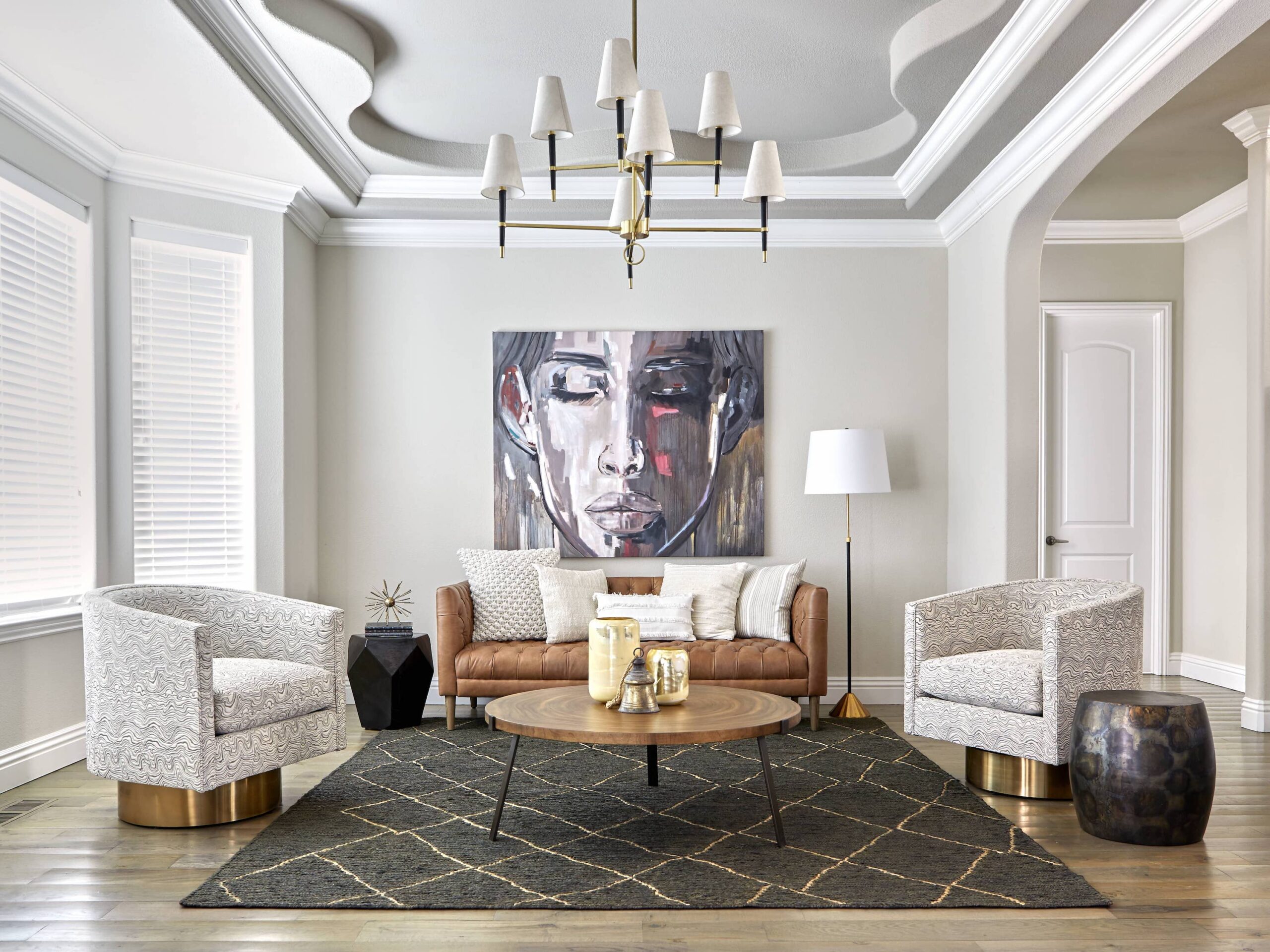
Knowing how to choose furniture begins with understanding the room, the people using it, and the quality of each piece. Well-made furniture with good proportions and lasting appeal brings greater value to a home than a collection of poorly considered purchases. The strongest interiors develop through careful selection and an appreciation for craftsmanship.
A beautifully furnished home rarely needs as many pieces as people assume. A generous sofa, a well-made dining table, or an exceptional chair can establish the character of an entire room.
Yet furnishing a home often begins with a list of things to buy. The living room needs a sofa, two chairs, a coffee table, side tables, and perhaps a console. The dining room needs a table, chairs, and a cabinet. Before long, every available wall and corner has a proposed occupant.
There is a more considered way to approach these decisions.
At Kanika Design, we believe furniture should be selected with the expectation that it will remain part of the home for years. That requires attention to construction, proportion, materials, and the way each piece relates to the architecture.
Our philosophy is straightforward: buy less, buy better, and give every significant purchase the consideration it deserves.
A beautiful piece of furniture can look entirely wrong in the wrong room.
The problem is often scale. A sofa that looks elegant in a spacious showroom may dominate a narrower living room. An oversized dining table can restrict movement, even when the room appears generous on a floor plan.
Proportion affects the experience of a space long before anyone notices the craftsmanship of an individual piece.
For homeowners exploring how to choose furniture for a living room, we begin by examining the room’s dimensions and the relationships between its major elements.
The sofa must relate to the ceiling height, window placement, and available circulation. Chairs need sufficient room to be used comfortably. Tables should sit at appropriate heights beside the seating they serve.
A well-proportioned room feels comfortable because its furniture supports natural movement.
Showrooms are designed to give individual pieces space and attention.
A substantial sectional may be surrounded by generous floor area, carefully positioned lighting, and few visual interruptions. At home, the same sectional has to share space with doors, windows, circulation routes, and other furnishings.
Dimensions alone tell only part of the story.
The height of the backrest, the depth of the arms, and the visual weight of the base all influence how large a piece appears.
A sofa raised on slender legs can feel lighter than a similarly sized design with a solid upholstered base. A dining table with a substantial pedestal may occupy less legroom than expected, depending on its shape.
We consider these details before committing to a piece.
Bay Area homes vary considerably in their architectural character.
A midcentury residence in Palo Alto may have lower ceilings, large windows, and an open relationship with the garden. A traditional Peninsula home may have defined rooms, decorative moldings, and more formal architectural proportions.
The furniture should respond to the house.
In a midcentury interior, lower seating and carefully selected timber finishes may complement the architecture. A home with more traditional detailing can comfortably accommodate upholstered furniture with stronger silhouettes.
Neither approach requires every piece to belong to the same period.
The important relationship is between the furniture and the space that contains it.
Furniture quality is difficult to judge from photographs.
Two sofas can have similar silhouettes and upholstery but differ considerably in their construction. The same applies to dining tables, cabinets, and upholstered chairs.
The distinction becomes apparent through use.
A poorly made drawer begins to stick. A chair develops movement at its joints. Upholstery loses its shape earlier than expected.
Good construction cannot prevent every sign of age, but it improves the likelihood that a piece will remain useful and repairable.
Several details deserve attention before a substantial furniture purchase.
| Furniture element | What to examine |
| Upholstered sofa | Frame construction, suspension, cushion composition, and upholstery suitability |
| Dining table | Joinery, stability, surface finish, and resistance to expected use |
| Cabinet or dresser | Drawer operation, hardware quality, material construction, and access |
| Upholstered chair | Frame stability, seat support, fabric, and comfort |
| Wood furniture | Species, construction method, finish, and repairability |
These qualities are more informative than a general description such as luxury or premium.
A high purchase amount does not establish construction quality. The supplier should be able to explain what materials are used and how the piece is assembled.
Solid wood has considerable appeal in furniture. Its grain brings natural character, and many solid-wood pieces can be repaired or refinished over time.
However, solid wood is not automatically the appropriate choice for every application.
Quality wood veneers applied to suitable substrates can offer stability and allow particular grain patterns or finishes that would be difficult to achieve in solid material.
A veneer can be a deliberate furniture-making choice.
The relevant questions concern the substrate, adhesive, edge detailing, finish, and overall construction.
Poorly finished veneer may be vulnerable at exposed edges. Well-executed veneer can form part of an elegant, durable piece.
The material label should lead to questions about craftsmanship.
A piece that can be repaired has a different long-term value from one that must be replaced when a component fails.
Replaceable hardware, accessible upholstery construction, and finishes that can be renewed are useful characteristics.
Furniture selected for a long-term residence should be considered through that lens.
The Business and Institutional Furniture Manufacturers Association, known as BIFMA, develops voluntary standards addressing furniture safety, durability, and performance in specified product categories. Those standards illustrate how furniture quality can be assessed through defined testing.
Not every residential furniture product falls under the same standards, so a manufacturer should identify the specific test and product category when making a performance claim.
An attractive chair that nobody wants to sit in has limited value.
Comfort depends on several factors, including seat depth, seat height, back support, cushioning, and the proportions of the person using the furniture.
These preferences vary.
A deep sofa may be comfortable for someone who enjoys reclining, while another person may prefer a more upright seat with firmer support.
The intended use should guide the decision.
A family room used every evening needs seating that supports prolonged use.
The fabric must also suit the household.
A family with pets may prioritize a tightly woven, easy-to-maintain upholstery. A formal sitting room used mainly for entertaining can support a different material choice.
The appearance of a sofa should be evaluated alongside its everyday demands.
The same applies to cushion construction. Some fillings require regular attention to maintain their shape. Others offer a firmer appearance with different comfort characteristics.
Homeowners should understand these trade-offs before selecting a piece.
Dining chairs deserve attention because their comfort affects how long people enjoy sitting around the table.
Seat height needs to relate to table height. Armchairs require enough clearance to slide beneath the tabletop where intended.
The weight of the chair also matters.
A heavy dining chair can become inconvenient when it must be moved repeatedly. Upholstered seating brings comfort but requires fabric suitable for dining use.
A chair should be evaluated in the context of the complete dining arrangement.
A home furnished entirely from one collection can feel overly coordinated.
Matching furniture provides consistency, but it can also remove the variety that gives a room personality.
Kanika Design favors a more individual approach to interior design furniture, combining pieces through their proportions, materials, and character.
A contemporary sofa may sit comfortably beside an antique cabinet. A sculptural modern chair can work with a traditional rug. A vintage table may bring warmth to a room with clean architectural lines.
These combinations benefit from an experienced eye.
Furniture from different periods carries distinct proportions and details.
A traditional cabinet might have substantial craftsmanship and decorative hardware. A contemporary table may have a simpler silhouette and a lighter visual presence.
Their differences can create an interesting composition when the room has a clear material and color direction.
A shared timber tone or related upholstery color can establish a connection.
The pieces do not need to repeat one another.
Transitional furniture style is useful for homeowners who appreciate traditional warmth and contemporary simplicity.
It can combine tailored upholstery, classic furniture shapes, and modern finishes without making the interior feel tied to one period.
A curved upholstered chair might sit alongside a simpler wooden table. A traditional cabinet may provide depth against contemporary architectural finishes.
The selection requires care.
Too many decorative pieces can make a room feel heavy. Too many simple forms may leave it without character.
We consider the visual weight of every substantial piece and how those pieces relate when seen together.
Furniture with personal history can be especially meaningful.
An inherited cabinet, family dining table, or vintage chair may be worth retaining even when the wider home is being redesigned.
The decision depends on condition, proportions, and the role the piece can serve.
Sometimes refinishing or reupholstery allows an older item to work beautifully within a new interior.
Other pieces may be unsuitable for the available space.
The value of a personal object should be respected without allowing it to compromise the entire room.
Furniture has a history before it arrives in a home.
Its design, materials, place of manufacture, and the skill involved in its production can contribute to its character.
For Kanika Design, craftsmanship is an important part of sourcing.
The studio’s design perspective draws on Indian heritage and a wider appreciation for global design traditions. Handcrafted textiles, distinctive furniture, and decorative objects can contribute individuality to a home when they have a clear relationship with the overall design.
A well-made piece can carry that interest through its materials and details.
Provenance concerns a piece’s origin and history.
For contemporary furniture, useful information includes the maker, materials, manufacturing process, and availability of replacement components.
For vintage or antique furniture, provenance may involve documentation of the designer, manufacturer, period, and previous ownership.
Those claims require verification.
An appealing story about an object’s history should not be treated as proof of authenticity.
For homeowners considering collectible pieces, documentation and condition become part of the purchasing decision.
Handcrafted furniture does not have to be elaborate.
A carefully joined timber table, a beautifully upholstered chair, or a cabinet with refined detailing can reveal its craftsmanship through restraint.
Attention to the finish and construction gives the object character.
This is one reason a room can feel substantial with fewer pieces.
Furniture of genuine quality does not require a large number of surrounding accessories to justify its presence.
The range of home furniture styles can make selection feel complicated.
Contemporary, traditional, midcentury, and eclectic interiors each offer appealing references. The difficulty begins when every attractive piece becomes a possible purchase.
A coherent home requires selection.
A homeowner may enjoy the warmth of traditional furniture while preferring modern seating. Another may be drawn to sculptural forms, bold textiles, and furniture collected during travel.
Those preferences can coexist.
The task is to establish a consistent design direction through scale, material, and the atmosphere of the home.
A home may contain objects acquired over many years.
There is no requirement to discard them because a renovation introduces a new design direction.
Existing furniture should be reviewed before additional pieces are selected.
Some items will remain central to the new interior. Others may be relocated, reupholstered, or passed on.
A new furnishing plan should begin with an understanding of what already deserves to stay.
That also prevents unnecessary purchases.
Furniture trends change. A particular curve, finish, or upholstery style may receive considerable attention for a period and then become less prominent.
A home can still incorporate current design ideas.
The distinction lies in where those ideas are used.
A major sofa or dining table represents a significant commitment. Its proportions, comfort, and material quality should have lasting appeal to the people who own it.
Smaller pieces offer more flexibility for changing tastes.
The household’s preferences remain the primary consideration.
Large rooms can create pressure to fill the available space.
An additional chair appears in one corner. A console occupies an empty wall. Another table is introduced to balance the arrangement.
Eventually, the room contains more furniture than its daily use requires.
A considered furniture buying guide should begin by asking which activities the room needs to support.
A living room used for conversation may benefit from seating arranged to face one another. A family room centered on television viewing may require a different layout.
Furniture should support those activities comfortably.
Unoccupied floor area allows people to move through a room without obstacles.
It also gives important pieces visual space.
A substantial dining table can be appreciated more easily when chairs can be moved without contacting nearby furniture.
A sculptural chair may deserve its own corner and suitable lighting.
The surrounding space forms part of the composition.
A well-designed cabinet may provide the storage that several small pieces would otherwise supply.
A substantial coffee table with appropriate dimensions may serve the seating area better than an assortment of smaller tables.
These decisions depend on the room’s use.
The purpose is to choose pieces that make daily life comfortable while preserving a clear composition.
Homes across the San Francisco Peninsula and surrounding communities have varied architecture, room proportions, and relationships with outdoor spaces.
These conditions influence furniture selection.
In a Palo Alto home with large windows and strong garden views, lower furniture profiles may preserve sightlines. Natural timber and tactile upholstery can complement the relationship between inside and outside.
In an older San Francisco residence, furniture may need to respond to a different architectural setting and more defined rooms.
Access and installation are important practical considerations as well.
A large sofa or cabinet must reach its intended room through the actual entry route. Door widths, stair turns, elevators, and other restrictions should be checked before purchasing.
Delivery feasibility is part of selecting furniture responsibly.
Furniture should also suit the household’s patterns of use.
Homes with children, pets, or regular entertaining may need durable upholstery and finishes that are easier to maintain.
Rooms receiving strong sunlight deserve attention to material behavior. Wood finishes, fabrics, and other surfaces can change with prolonged exposure, depending on their composition and treatment.
Window coverings may help manage exposure where appropriate.
The selection should balance comfort with a realistic understanding of how the room will be occupied.
Furniture is a substantial part of a home’s design investment.
It makes sense to direct that investment toward pieces whose quality and use justify it.
An important sofa, dining table, or bed may remain in service for many years. These pieces deserve careful attention to construction and comfort.
Smaller occasional items can be selected with greater flexibility.
The relative investment should reflect how frequently each item is used and how difficult it would be to replace.
We generally give priority to pieces that shape the room and receive regular use.
The main sofa establishes much of the living room’s comfort. The dining table supports daily meals and gatherings. A bed affects both the bedroom’s proportions and everyday use.
Other purchases depend on the household.
A homeowner who reads every evening may place considerable value on one comfortable chair. Someone who entertains frequently may prioritize dining seating.
Investment decisions should follow those habits.
A piece has long-term value when it continues to serve its purpose and remains desirable to its owners.
Durability matters, but it is only part of that assessment.
Comfort, proportions, repairability, and the quality of the finish contribute to whether the furniture remains useful.
An expensive purchase that proves uncomfortable is a poor investment.
Equally, a well-made piece that no longer suits the household may need to be reconsidered.
The goal is to select furniture with a clear purpose and the ability to remain part of the home as its occupants’ lives develop.
Furniture decisions become more effective when they follow a clear plan.
The room’s layout establishes the appropriate dimensions. Materials and colors are then considered alongside the architecture, lighting, and existing furnishings.
At Kanika Design, our approach begins with understanding the household and the character of the home.
We develop the layout before finalizing major furnishing selections. This allows the scale of furniture, circulation, and relationship between pieces to be considered together.
Material samples help establish how upholstery and finishes relate in person. Detailed presentations allow clients to review the intended composition before substantial purchasing decisions are made.
A furnishing project may involve several connected decisions.
Furniture dimensions affect circulation. Upholstery colors must relate to rugs and architectural finishes. Lighting needs to serve the furniture arrangement. Window treatments influence the room’s visual balance.
Coordinating those elements is especially valuable during a whole-home furnishing project or renovation.
For homeowners seeking an interior designer in Palo Alto, Kanika Design provides a design-led approach that considers furniture alongside the wider interior.
The studio is suited to clients who want a coordinated result and are prepared to make thoughtful decisions about long-term furnishing investments.
Purchasing a single replacement chair or small accessory is a different undertaking.
A home should be furnished at the pace and level of consideration its important pieces deserve.
Read Also – How Designers Decide Between Sofas and Sectionals
A coordinated design process allows furniture to relate naturally to lighting, architecture, and finishes.
Begin with the room’s dimensions and intended use. Select the major pieces first, paying attention to proportions, comfort, and construction quality.
The remaining furniture should support the activities that take place in the room.
Examine the frame construction, suspension, cushion composition, upholstery, and overall comfort.
The sofa’s depth and back height should suit the people who will use it. Its dimensions must also work within the room’s layout.
No. Purchase amount alone does not establish quality.
Materials, construction methods, finish, comfort, and repairability provide more useful information. Suppliers should be able to explain how a piece is made.
Yes. Furniture from different periods can create a coherent interior when the pieces relate through proportion, materials, or color.
A traditional cabinet may work alongside contemporary seating, particularly when the surrounding room has a clear design direction.
Transitional furniture combines elements of traditional and contemporary design.
It often uses familiar furniture shapes with simpler detailing and more restrained finishes. The result can feel both comfortable and current.
A living room needs enough furniture to support its intended activities and occupants.
Additional pieces should have a purpose. Comfortable circulation and appropriate spacing contribute to the room’s appearance and function.
Custom furniture is useful when standard pieces cannot address the required dimensions, functions, or design details.
Its value depends on the craftsmanship and the problem it solves. A well-selected standard piece may be equally suitable in another room.
Major furniture selections and permanent architectural finishes should be considered together.
An existing sofa, rug, or significant piece of art may influence the palette. In a larger design project, reviewing these elements alongside paint and materials helps maintain a coordinated result.
Business and Institutional Furniture Manufacturers Association (BIFMA). Standards Descriptions. Official overview of furniture safety, durability, sustainability, and performance standards.
https://www.bifma.org/page/StandardsShortDesc
Business and Institutional Furniture Manufacturers Association (BIFMA). Standards Overview. Explanation of the purpose and scope of voluntary furniture performance standards.
https://www.bifma.org/page/standardsoverview
U.S. Federal Trade Commission. Guides for the Household Furniture Industry. Historical FTC guidance concerning representations about furniture materials and construction. Used as background for the importance of accurate material descriptions; not presented as a current mandatory product-certification requirement.
https://www.ftc.gov/sites/default/files/documents/federal_register_notices/guides-household-furniture-industry-16-cfr-part-250/000410guidesforthehousehold.pdf
RECENT COMMENTS