

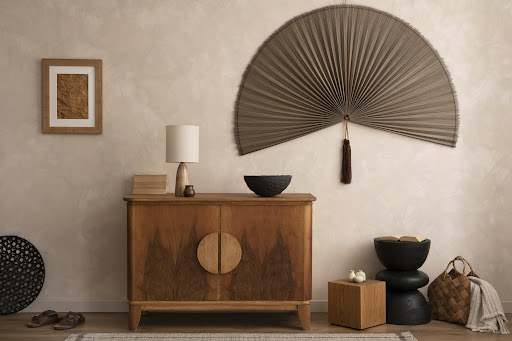
In a world that often feels fast-paced and cluttered, Japandi interior design offers a refreshing balance, where tranquility meets sophistication. This harmonious blend of Japanese minimalism and Scandinavian warmth celebrates intentional living and timeless design.
Kanika Design, an award-winning interior design firm based in the San Francisco Bay Area, brings this aesthetic to life through its bold yet serene transformations. The result? Homes that feel effortlessly elegant, calm, and deeply connected to nature.
Table of Content |
Japandi is not just a design trend; it’s a philosophy. It merges the Japanese concept of wabi-sabi (finding beauty in imperfection) with Scandinavian hygge (creating cozy, contented spaces). This union brings forward interiors that are minimal yet warm, clean yet inviting.
As Kanika Bakshi Khurana, founder and principal designer of Kanika Design, often highlights through her Design Hopping with Kanika series, the most inspiring spaces across the world reflect cultural fusion. Japandi is a beautiful example of how two distant design traditions converge through a shared appreciation of simplicity, craftsmanship, and quality materials.
Core idea: Every piece in a Japandi home should have purpose and emotional value, creating a natural flow rather than visual noise.
Achieving a Japandi look means layering serenity, texture, and light with curated precision. The focus is on refining rather than decorating, an approach that Kanika Design champions in all its luxury remodel projects.
The essence of Japandi lies in finding balance. Scandinavian design brings comfort and softness through textures and shapes, while Japanese interiors introduce discipline, balance, and minimalism. Together, they create an environment that feels simultaneously calm and lived-in.
In Kanika Design projects, this balance shines through neutral schemes and natural light layered with artisanal textures, a visual language that speaks of quiet luxury.
At the heart of the Japandi aesthetic is an appreciation for authenticity. Natural materials are not mere design choices; they are essential to the grounding philosophy.
These materials age gracefully, developing patina that enhances their character over time. The design harmony comes from contrast, smooth stone against textured linen, warm oak beside cool gray walls.
| Material | Role in Japandi Design | Designer Tip |
| Wood | Brings natural warmth and lightness | Choose light oak or ash with matte finishes |
| Stone | Adds tactile richness | Use limestone or slate for depth |
| Linen | Softens visual edges | Layer neutral fabrics for warmth |
| Ceramics | Adds hand-crafted detail | Use as accent décor or accessories |
Kanika Design’s design-build approach ensures that materials are not just selected for aesthetic merit but also for longevity, maintaining the balance between beauty and endurance.
Read Also – Biophilic Interior Design: Definition, Elements & Benefits Explained!
Color is one of the most powerful tools in Japandi interiors, yet it must be employed with restraint. Stick to a neutral and muted palette, soft whites, warm taupes, subtle greys, sage greens, and charcoal.
Through these tones, spaces feel calm and grounded. Kanika Design often complements neutral bases with accent elements, like a single black vase or a natural wood beam, to create subtle drama.
When paired with natural textures, these hues form the perfect foundation for serene luxury interiors. The result feels peaceful yet deeply refined, an ideal balance for modern Bay Area homes blending global influences.
Japandi spaces rely on texture instead of ornamentation to create character. Layering is intentional, never excessive. The key lies in achieving warmth through simple contrasts, soft fabrics on structured furniture, or matte ceramic against smooth glass.
Tips from Kanika Design’s styling approach:
Kanika Design’s team often describes this layering as creating a quiet dialogue between materials. The room should feel both composed and comforting, luxurious without being loud.
The connection to nature is central to Japandi interiors. It’s not about filling spaces with décor; it’s about cultivating balance and life within them.
How to introduce natural calm:
Kanika Design masterfully uses these principles in open-plan remodel projects. By aligning sightlines and maximizing natural illumination, homes feel more expansive and deeply connected to their environment, a calm retreat from urban bustle.
While Japandi design celebrates minimalism, it never sacrifices personality. Every décor choice should feel deliberate. Kanika Design highlights quality over quantity, emphasizing craftsmanship.
Ways to achieve curated refinement:
Kanika Design’s projects thrive on this principle; each object supports the narrative of the space. By balancing restraint with artistry, they create homes that exude understated opulence.
In Japandi design, functionality is elegance. Every design choice has a role, visually, emotionally, or functionally. Unnecessary details are stripped away to highlight craftsmanship and materiality.
Kanika Design’s design strategy:
This approach reflects Kanika Bakshi Khurana’s design ethos: crafting interiors where every element matters. Spaces feel alive through balance and purpose, not accumulation.
Kanika Design is synonymous with innovation and refinement. As an award-winning full-service luxury interior design firm in the Bay Area, Kanika Design seamlessly integrates concept development, design detailing, and construction into one cohesive process.
Under Kanika Bakshi Khurana’s direction, the firm redefines modern living through spaces that merge beauty with function. Their design philosophy mirrors Japandi values, unity, mindfulness, and tranquility, while infusing bold creativity for which the firm is celebrated.
Through Design Hopping with Kanika, viewers see how Kanika interprets global design philosophies and translates them into distinctly modern homes tailored for the Bay Area lifestyle. Each project becomes a conversation between global inspiration and the individuality of the client.
Japandi interior design isn’t just about minimal decor; it’s about creating a sanctuary of balance and quiet luxury. It reflects mindfulness, modern function, and timeless craftsmanship in every detail. Kanika Design embodies this spirit through refined interiors that merge authenticity with sophistication.
From concept to completion, Kanika Design’s full-service model ensures each project integrates serenity with substance. Whether through a Japandi-inspired remodel or another bespoke vision, the result remains the same: a space that feels grounded, personal, and truly one of a kind.
Q1. What defines Japandi interior design?
Japandi design combines Japanese minimalism with Scandinavian comfort. It emphasizes natural materials, muted colors, and functional layouts, creating spaces that feel serene yet elegant, a balance between aesthetic beauty and purpose.
Q2. What materials work best for a Japandi-inspired remodel?
Choose organic and enduring materials such as wood, stone, ceramics, and linen. These textures harmonize beautifully, grounding the space in natural authenticity while elevating it with luxury.
Q3. How does Kanika Design incorporate Japandi elements in modern homes?
Kanika Design blends the minimal discipline of Japanese design with the cozy sophistication of Scandinavian aesthetics, using natural materials and curated details to create timeless, high-end interiors.
Q4. Why is a neutral color essential in Japandi design?
Neutral tones promote tranquility. They allow natural materials and textures to take center stage, ensuring the space remains soft, balanced, and visually soothing.
Q5. How can I maintain the uncluttered feel of a Japandi home?
Focus on intentional design. Keep only meaningful items visible, incorporate efficient storage, and let space and light define the mood. Simplicity lies in thoughtful restraint.
RECENT COMMENTS