

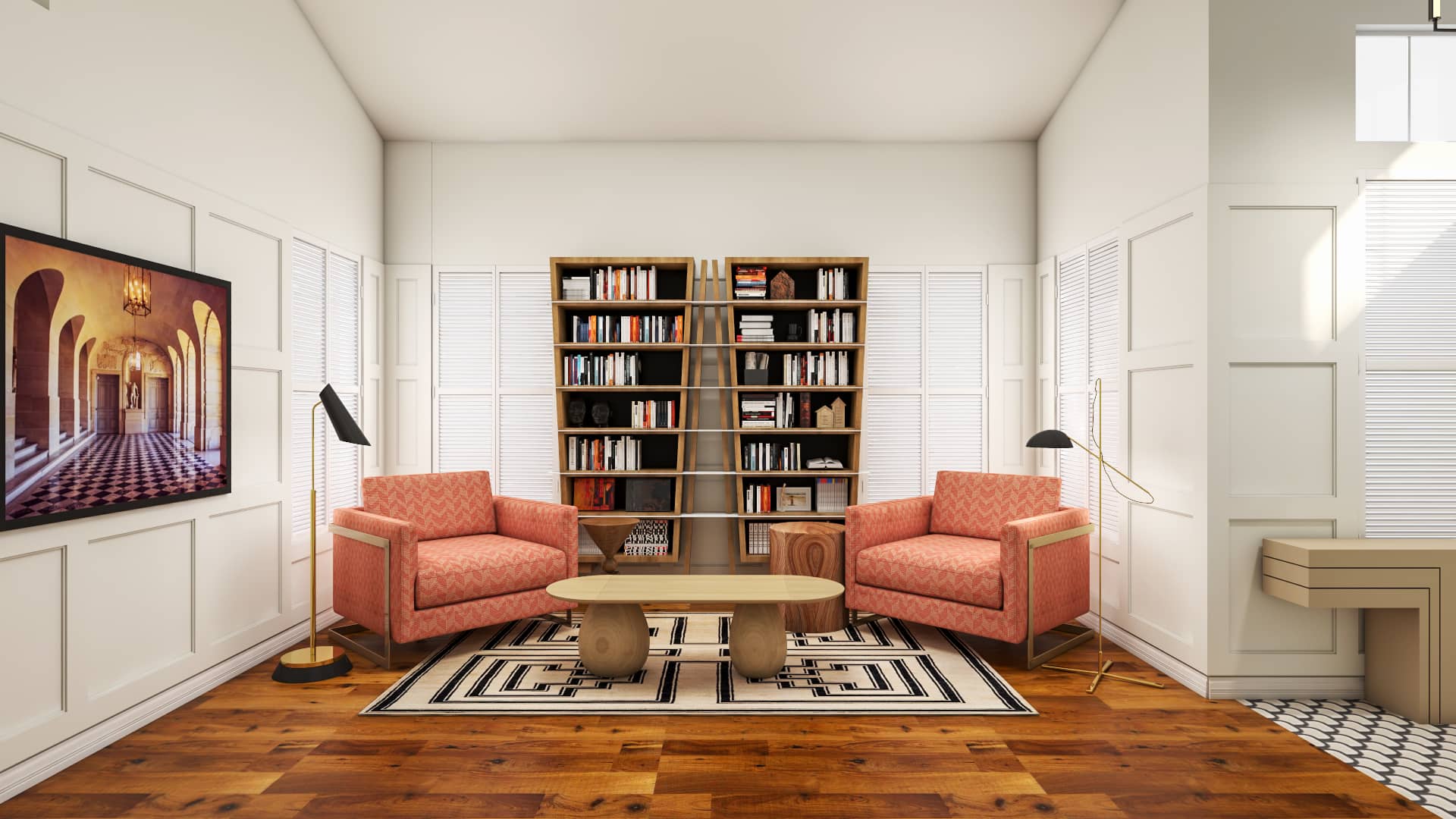
A living room should do more than look finished. It should support the way you relax, gather, entertain and move through daily life.
That is why the most useful living room design ideas are not simply about color, furniture or trends. They begin with understanding what the room needs to do and how it should feel.
A family that watches movies together needs a different layout from a couple who entertains often. A formal living room may call for tailored pieces, while a casual family room may need deeper seating, durable fabrics and storage for everyday life.
At Kanika Design, we begin with those practical questions before selecting a sofa or creating a color palette. Once the room functions well, the finishing choices can make it comfortable, personal and unmistakably yours.
Table of Content |
Before choosing furniture, ask what actually happens in the room.
Is it mainly used for conversation, television or both? Do children play there? Does anyone read, work or do homework in the space? How many people use it every day, and how many guests should it accommodate?
These answers shape the room more than any inspiration image.
A conversation-focused living room may place seating so people naturally face one another. A television-focused room needs clear sightlines without allowing the screen to dominate every decision. A multipurpose family room may need flexible seating, durable materials and closed storage for games, toys or electronics.
It is also useful to consider how the room changes throughout the day. A space that works for morning coffee may need task lighting for reading in the evening and softer light when guests arrive.
The goal is not to follow a standard layout. It is to create a room that supports the household’s real routines.
A living room should feel connected to the people who live there.
One way to think about personal style is to consider how you dress. Are you usually casual and relaxed, tailored and formal, colorful and expressive or drawn to simple, understated pieces?
Your home does not need to copy your wardrobe, but the same preferences often appear in both.
Someone who prefers crisp, tailored clothing may feel most comfortable in a refined room with clean lines and carefully edited details. Someone with a relaxed style may prefer layered textiles, deeper seating and a mix of materials that feels less formal.
Travel can also influence the room. Artwork, textiles, ceramics and collected objects can create an eclectic space that reflects places you have visited and experiences that matter to you.
The objective is not to fill the room with souvenirs. A few meaningful pieces, thoughtfully placed, can make it personal without becoming visually busy.
You do not need a complete vision before starting.
Sometimes the most cohesive rooms begin with one piece that provides a clear direction. It may be a rug, painting, textile, antique or sculptural coffee table.
That starting point can guide the room’s palette, materials and mood.
A rug may contain colors that can be repeated subtly in pillows, artwork or upholstery. A painting may introduce a warm tone that appears again in wood, fabric or lighting. A vintage table may suggest a more collected approach rather than a room where every item comes from the same showroom.
The goal is not to match every color exactly. It is to create relationships between pieces so the room feels connected.
A welcoming living room should make it easy for people to sit, talk and feel included.
Seating does not always need to face one direction. A sofa, pair of chairs or flexible occasional chair can create a conversation area while still allowing the room to support television or other activities.
The room should also have a clear priority. A fireplace, view, artwork or architectural feature may become the main focal point. In some homes, the television will naturally be important. The design challenge is to integrate it thoughtfully rather than allowing it to determine every other choice.
Rooms with more than one focal point need balance. A fireplace and television may both matter, but one can lead while the other is incorporated more quietly through cabinetry, placement or material choices.
Movement through the room should feel natural. People should be able to enter, sit down and move between spaces without navigating around furniture that interrupts the path.
Comfort should be evaluated as carefully as appearance.
A sofa may look beautiful in a photograph but feel too deep, too firm or too low for the people using it. Chairs may have the right shape but provide little support. A room can also feel incomplete when there is nowhere convenient to place a drink, book or reading lamp.
Before selecting seating, think about how you naturally sit. Do you prefer to sit upright, put your feet up or stretch out? Do family members have different comfort needs? Will guests use the room for short visits or long evenings?
Comfort also includes what surrounds the seating. Side tables should feel easy to reach, lighting should support reading and conversation, and the rug should visually connect the group.
A comfortable room is not necessarily casual. Formal spaces can still have supportive seating and practical surfaces. Elegance and comfort should work together.
The sofa, rug, coffee table and main lighting establish much of the room’s scale and visual weight. They should be considered together rather than selected one at a time.
A large sofa may require a more substantial table and rug so the room feels balanced. A visually heavy table may need quieter seating around it. A delicate floor lamp may disappear beside oversized furniture, while a sculptural one can help anchor the composition.
Before purchasing, it can be helpful to mark the footprint of major pieces on the floor with painter’s tape. Walk through the space, open nearby doors and consider how the room feels from different entrances.
At Kanika Design, realistic 3D presentations allow clients to see the architecture, furniture scale and relationships between pieces before anything is ordered. Physical samples then help evaluate materials, texture and color in the home’s real light.
A living room does not need every piece to make a statement.
Often, one or two distinctive elements are enough to bring elegance and individuality to the space.
A one-of-a-kind coffee table can become a focal point because of its shape, material or craftsmanship. Sculptural side tables or a statement floor lamp can add interest without taking over the room. Vintage, artisan-made or globally inspired pieces can also prevent the room from feeling overly coordinated.
The strongest rooms usually include quieter supporting pieces and a few elements with more personality. Selective impact creates a room that feels considered rather than decorated all at once.
Lighting has a major effect on whether a living room feels welcoming.
A combination of ceiling lighting, floor lamps, table lamps and accent lighting allows the room to change from day to evening. Softer light near seating makes conversation feel more intimate, while focused light supports reading.
Texture adds another layer of comfort. A rug softens the floor and helps define the seating area. Curtains can make the room feel more finished while improving privacy and sound absorption. Wood, stone, wool, linen, leather and other materials create depth when thoughtfully combined.
The objective is not to use as many materials as possible. It is to balance smooth and textured, soft and structured, polished and natural.
Artwork should be more than a solution for an empty wall.
Choose pieces that create a response, remind you of a place or experience, or continue to hold your attention over time. The artwork does not need to match the furniture. It can introduce contrast, color or a different point of view.
Books, ceramics, photographs and travel objects can also add meaning. The key is editing. A few thoughtfully arranged pieces allow each object to be noticed.
A living room finished entirely from a showroom may look polished, but it often lacks the layers that make a home memorable.
Some living rooms do not respond to a simple arrangement.
Long and narrow rooms often benefit from more than one purpose. One end may become the main seating area while the other supports reading, work or a smaller conversation zone.
Small living rooms require careful choices. A few well-scaled pieces usually work better than filling the room with several smaller items. Open-plan rooms need visual definition through rugs, lighting and furniture placement.
Rooms with both a fireplace and television require a clear decision about which feature should lead. The answer depends on how the household uses the room, not on a universal rule.
In each case, the layout should respond to the architecture and household rather than forcing the room into a standard formula.
A living room should reflect who you are in the same way your clothing does. Some people are naturally casual and layered, while others prefer something more tailored and formal. The room should feel connected to that personality.
Travel can also become part of the design. Artwork, textiles and collected pieces can create an eclectic room that reflects the places you have experienced without making the space feel themed.
Comfort is always important, especially in the seating. A sofa or chair should not only look right; it should feel good to use.
I also like introducing elegance through one distinctive element, such as a one-of-a-kind coffee table, side table or floor lamp. Not every piece needs to compete.
When a client is unsure where to begin, I often suggest starting with a rug or artwork and pulling colors and materials from its palette. It gives the room direction while allowing it to feel collected and personal.
Kanika Bakshi Khurana
A successful living room balances function, comfort and personality.
The layout should support how people gather and move. The seating should feel good to use. Lighting and texture should create warmth, while artwork and distinctive pieces give the room character.
When these decisions are made in the right order, the result is more than a well-decorated space. It becomes a room that feels natural to live in, welcoming to others and connected to the people who call it home.
Start by defining how the room will be used. Consider conversation, television, entertaining, children, pets, reading and other daily activities before choosing furniture. Once the function and layout are clear, develop the color, materials and decorative layers.
Prioritize comfortable seating, layered lighting, a rug that connects the furniture, soft window treatments and a mix of natural textures. Personal artwork, books and meaningful objects also make the room feel warmer and more lived in.
Place the sofa where it supports the room’s primary activity and focal point without blocking natural circulation. In some rooms it may sit against a wall; in others it may float within the space to help define the seating area.
Decide which feature is more important to the way you use the room. One can become the primary focal point while the other is integrated more quietly through placement, cabinetry or surrounding materials.
Use artwork, books, travel objects, textiles and collected pieces that hold meaning for you. Begin with one inspiration piece and build the palette and materials around it rather than trying to reproduce a complete room from an image.
RECENT COMMENTS